
From Utumishi Tragedy to Unsafe Dormitories: Why Kenya's Schools Are Facing a Safety Reckoning Amid Fee Hike Debate
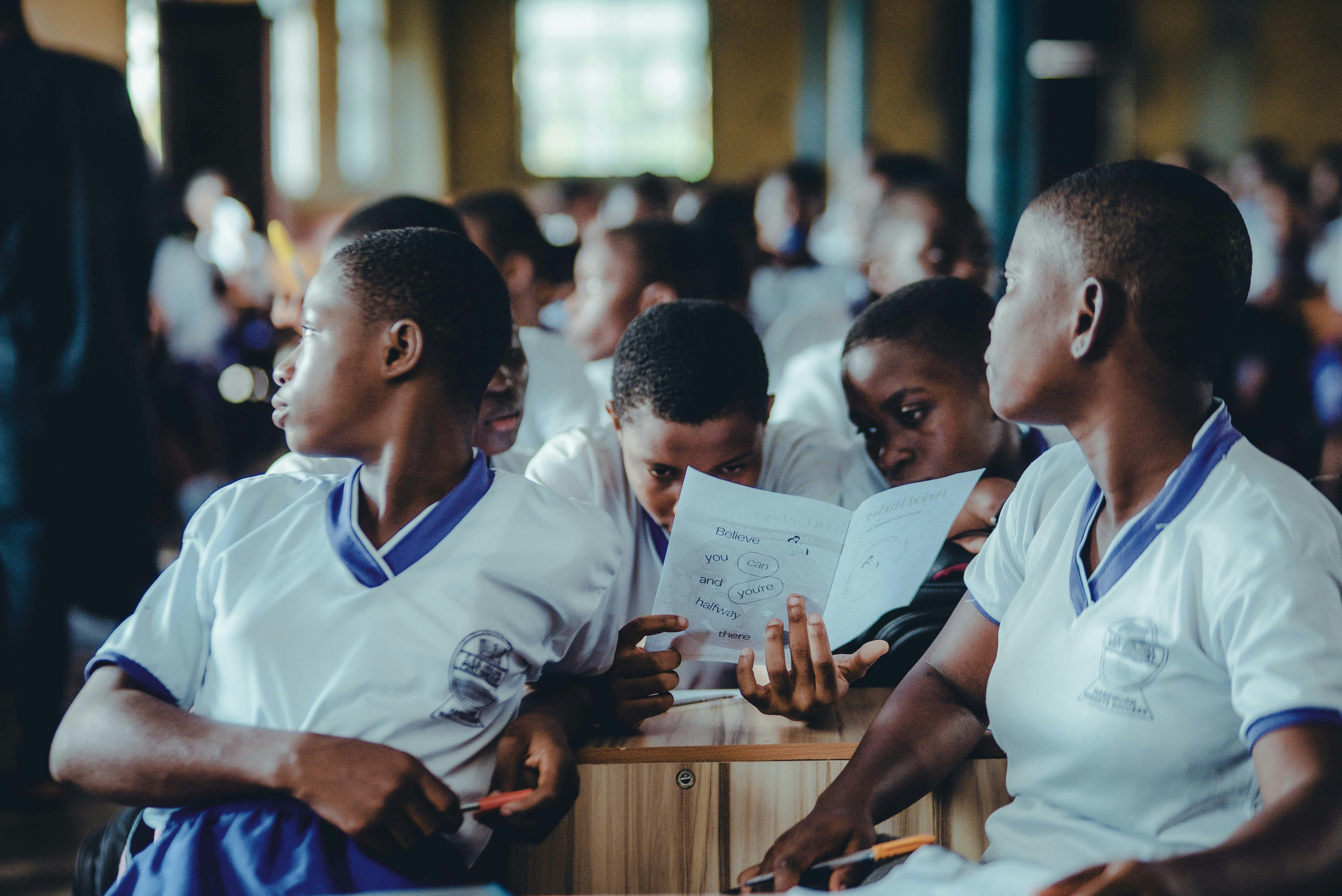
The scars left by the deadly Utumishi Girls Academy dormitory fire are still fresh.
Just over a month after the inferno claimed the lives of 16 students and left dozens more injured, the tragedy continues to shape conversations about learner safety in Kenya. Parents who watched their daughters return home traumatised have demanded answers, safer schools and stronger accountability, insisting that no child should lose their life in a place meant to provide education and protection.
Their concerns appear to have found an echo in government.
On July 2, the National Construction Authority (NCA) announced a nationwide crackdown on unsafe buildings in schools and learning institutions, placing dormitories and boarding facilities at the centre of its inspections. The move signals one of the strongest regulatory responses to school infrastructure safety in recent years and comes as authorities seek to prevent another tragedy similar to Utumishi.
A Wake-Up Call for School Infrastructure
For years, questions have been raised about the condition of school buildings across the country. Aging dormitories, overcrowded boarding facilities, poor maintenance and unregulated renovations have become common concerns in many institutions.
The Utumishi tragedy reignited fears that some learners continue to sleep in buildings whose safety has never been professionally assessed.
Under the nationwide exercise, the NCA will inspect dormitories, classrooms, laboratories, dining halls and other school structures to determine whether they comply with Kenya's construction and building safety standards.
School owners and Boards of Management have been reminded that they bear legal responsibility for ensuring every structure occupied by learners is safe, professionally designed, regularly inspected and maintained. Buildings found to be structurally unsound risk closure until the necessary repairs are undertaken. The Authority has also warned that all school construction projects must be handled by registered contractors under the supervision of qualified professionals.
The inspections will focus on structural integrity, compliance with approved building plans, emergency exits, fire safety systems, ventilation, sanitation, occupancy levels and maintenance records.
For many parents, these are the very questions that should have been answered before the Utumishi fire.
Following the tragedy, parents demanded comprehensive safety inspections, improved emergency exits, stronger fire preparedness and greater accountability before learners could return to school.
Safety Comes at a Cost
While schools are now under pressure to improve infrastructure and comply with stricter safety standards, another debate is unfolding within the education sector.
School principals have proposed increasing annual fees by as much as Sh43,000, arguing that rising operational costs have made it increasingly difficult to sustain quality education and maintain school facilities.
The proposal would see fees in national schools rise from Sh53,554 to approximately Sh87,000 annually.
Parents, however, have overwhelmingly rejected the proposal.
Many argue that Kenyan households are already struggling with the high cost of living, increased transport expenses, food inflation and higher utility bills. They fear that such a sharp increase would force many learners out of school and widen educational inequality.
Ironically, the debate has exposed a difficult reality.
Parents want safer dormitories, modern infrastructure and better emergency systems. Schools acknowledge those needs but maintain that maintaining safe learning environments requires significant financial investment. Families, on the other hand, insist they cannot shoulder additional costs without greater government support.
The Bigger Picture
The NCA's crackdown marks an important shift from reacting to school disasters to preventing them.
For years, Kenya has witnessed devastating school fires and infrastructure failures that have repeatedly exposed weaknesses in school safety systems. The Utumishi fire has become another painful reminder that compliance with building regulations is not merely an administrative requirement—it is a matter of protecting lives.
As schools prepare for the next academic term, attention will remain fixed on two pressing questions: Are learners truly safe in the buildings they occupy, and who should bear the cost of making schools safer?
Until those questions are answered, the conversation surrounding school safety is unlikely to fade.