Rising Electricity Bills in Kenya: What It Means for Education and Tomorrow’s Generation
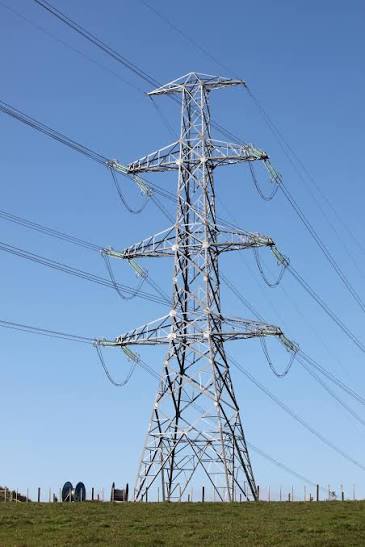
Kenyan households are facing another increase in electricity costs, adding pressure to families already dealing with rising living expenses. On 17 August 2026, the Energy and Petroleum Regulatory Authority (EPRA) announced new electricity charges that add a combined KSh 4.7027 per kilowatt-hour (kWh) to electricity costs for August meter readings. Electricity prices are affected by several pass-through costs, including fuel, foreign-exchange fluctuations, inflation and water-resource charges.
While the increase is an energy-sector issue, its effects extend beyond household budgets. Electricity is increasingly essential to education and digital access. Students depend on electricity to charge phones and computers, access online learning materials and complete digital assignments, while schools and community learning centres require reliable power for ICT facilities and technology-enabled learning.
For families already struggling with household expenses, higher electricity costs can therefore create additional barriers to consistent digital learning. This is particularly important as Kenya continues to expand digital education and prepare young people for an increasingly technology-driven economy.
This challenge closely connects with the work of Learning for Tomorrow Foundation (LTF), which focuses on education, digital skills, innovation and empowering young people with the capabilities needed to succeed in a changing world. From LTF's perspective, access to affordable and reliable electricity is not simply about keeping the lights on; it also helps keep classrooms connected, digital learning accessible and innovation possible.
The rising cost of electricity also presents an opportunity to encourage young people to become part of the solution. Through education and innovation, young people can explore renewable energy, energy efficiency, engineering and technology-based solutions to some of Kenya's energy challenges.
As Kenya responds to changing electricity costs, protecting access to education and digital opportunities must remain part of the conversation. Investing in reliable energy, education and youth innovation today is an investment in the Kenya of tomorrow. For Learning for Tomorrow Foundation, this means ensuring that economic and technological changes do not leave young people behind, but instead equip them with the knowledge and skills to help shape a more inclusive and innovative future