Every Learner Deserves a Place in the Classroom
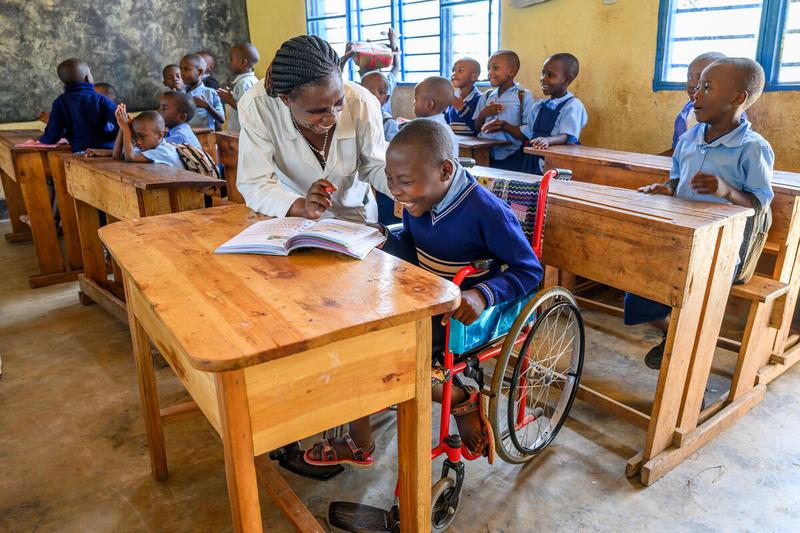
Every child deserves the opportunity to learn, participate and reach their potential. Yet for some learners, going to school does not guarantee that they can fully take part in the learning experience. A child may struggle because learning materials are inaccessible, classroom activities are not adapted to different needs, or the support they require is unavailable.
Inclusive education is about changing this reality. It means creating learning environments where every learner feels welcome, valued and supported, regardless of their abilities or circumstances.
Making Education Work for Everyone
Learners do not all learn in the same way. Some benefit from visual materials, others from practical activities, while some require additional time, assistive technology or accessible learning resources.
For children with disabilities, barriers can include classrooms that are difficult to access, textbooks that are not available in accessible formats, and limited access to specialized support. However, inclusion goes beyond disability. Poverty, language differences and other social barriers can also affect a child's ability to participate fully in education.
According to UNESCO, inclusive education requires identifying and removing barriers to learning so that all learners can participate meaningfully. This involves more than enrolling children in school; it means ensuring they can actually benefit from the education they receive.
Small changes can make a difference. Teachers can use different methods to explain concepts, schools can provide accessible learning materials, and families can be involved in identifying the support children need. Technology can also improve access when it is affordable, appropriate and available to learners who need it.
Building a Culture of Inclusion
Creating inclusive classrooms is not the responsibility of teachers alone. School leaders, parents, communities and education organizations all have a role to play.
Schools need opportunities to strengthen teachers' skills, improve their learning environments and understand the different needs of their students. Families should also feel comfortable sharing their concerns and participating in decisions about their children's education.
Just as importantly, learners must be treated with dignity. Children should not be excluded from activities or made to feel that their differences limit what they can achieve. When schools encourage participation and respect, they help build confidence, understanding and a stronger sense of belonging.
Moving Towards Education for All
The Learning for Tomorrow Foundation can contribute by promoting awareness of inclusive education, supporting accessible learning initiatives and encouraging cooperation between educators, families and communities. Through practical activities and partnerships, the Foundation can help identify barriers that prevent learners from participating fully and promote solutions suited to local needs.
An inclusive education system benefits more than the learners who face the greatest barriers. It helps all children learn to appreciate differences, cooperate with others and recognize the value of equal opportunity.
Education should not require every child to learn in the same way. It should give every child a fair opportunity to learn, participate and succeed.